Peer-to-peer trading (P2P)
What is Peer-to-Peer Trading?
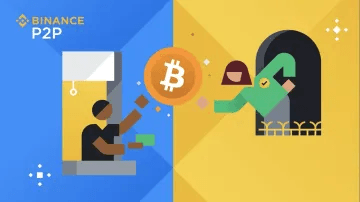
The process of purchasing and selling cryptocurrencies directly between users, without the need of a third party or middleman, is known as peer-to-peer (P2P) trading. You don't get to trade directly with the counterparty when you buy or sell cryptocurrencies on a typical exchange. To identify the best moment to purchase, trade, or keep bitcoins, you instead utilize charts and other market aggregators. The market price decides your ultimate price at the time of the transaction, and the exchange organizes the transaction on your behalf.
P2P trading provides consumers more control over the process, it's important to remember that when there's no third party to broker the sale, there are certain dangers.
How Does a P2P Exchange Work?
Verified buyers and sellers may perform hassle-free asset trading on a peer-to-peer cryptocurrency exchange. Top-of-the-line match engines are utilized to link customers with selected vendors. The P2P cryptocurrency exchange architecture allows market participants to interact directly with one another without the need for an intermediary to conduct transactions or keep money, as opposed to utilizing an order book to pair buy and sell orders and holding the platform's assets.
Advantages of P2P Exchanges
Global Marketplace
Using peer-to-peer offers you access to a worldwide market of bitcoin buyers and sellers, which is a benefit. It is available in more than 180 countries. In a matter of seconds, you may buy and trade cryptocurrencies with individuals all over the world.
Multiple Payment Methods
You cannot have as many payment choices when trading on traditional exchanges as you can when trading on P2P platforms.
Disadvantages of P2P Exchanges
Slower Trading Speeds
While P2P transactions can be completed almost immediately once both parties have acknowledged the transaction, one party may postpone it for a variety of reasons. Traditional trade does not need you to wait for confirmation from the buyer or seller before proceeding with the transaction. With P2P, the buyer or seller might change their minds and elect to terminate the transaction halfway through.
Low Liquidity
P2P exchanges are newer than centralized exchanges and have less liquidity. As a result, bigger traders that need to execute huge transactions may opt to employ over-the-counter trading or buy/sell on the traditional exchange.